AI is becoming the gateway to opportunity. It's being built in too few languages.
These aren't small or endangered languages. Many are spoken by hundreds of millions of people — and they are still invisible to the AI systems being built today.
Karya turns AI's demand for data into dignified, paid work — closing the gap between who AI serves and who gets to build it.
Better AI Better Livelihoods
Karya workers build datasets in underrepresented languages
Models improve across these languages
Karya workers upskill into higher-value AI tasks
Skills, confidence and incomes grow
Better models are able to serve more communities
Growing demand for dignified, fairly paid digital work
Better AI Better Livelihoods
Karya workers build datasets in underrepresented languages
Models improve across these languages
Karya workers upskill into higher-value AI tasks
Skills, confidence and incomes grow
Better models are able to serve more communities
Growing demand for dignified, fairly paid digital work
Applying this framework
Demonstrate | India
$100M in wages distributed by 2030
Low-income and language-marginalised people in India earn dignified income, lasting economic opportunities and AI-relevant skills. The datasets and judgement they produce make AI work in their own languages. A virtuous cycle proving that better livelihoods and better AI come from the same acts of work & inclusion.
Expand | Global
$1B in wages facilitated by 2030
Communities excluded from the AI economy across the Global Majority earn dignified wages, durable livelihoods and pathways into digital work through regional hubs and partner-run platforms. The languages and knowledge they contribute make AI usable for hundreds of millions of speakers no one else is building for.
Influence | AI Ecosystem
Global norms of building AI shift
Fair pay, worker dignity and community judgement become core to how the AI industry builds. More ethical and dignified frameworks are adopted by labs, buyers and policymakers beyond Karya's own delivery. The people who make AI possible share in the value it creates. A virtuous cycle set as the default for the AI economy.
Our supporters















Impact so far
Karya enables meaningful, supplementary economic opportunities for our communities in India, while accelerating inclusive AI development in low-resource languages.
Note: Figures reflect Karya's work in India unless otherwise noted. Karya's platform has also been deployed in 7 countries. Data is as of July 2026, per internal platform data.
$4.42M
wages directly distributed to Karya workers
200k+
workers onboarded on the Karya Platform
115+
languages in which we have built datasets
6.8x
YoY increase in wages distributed to workers, 2024 to 2025
25.8%
average increase in worker annual income enabled by Karya (FY2025–26)
Note: Calculated on a baseline established through self-reported surveys from workers
35%
average increase in worker annual income enabled by Karya for women workers (FY2025–26)
28
all states in India covered
7
countries our platform has been deployed in
Meet the Karya worker
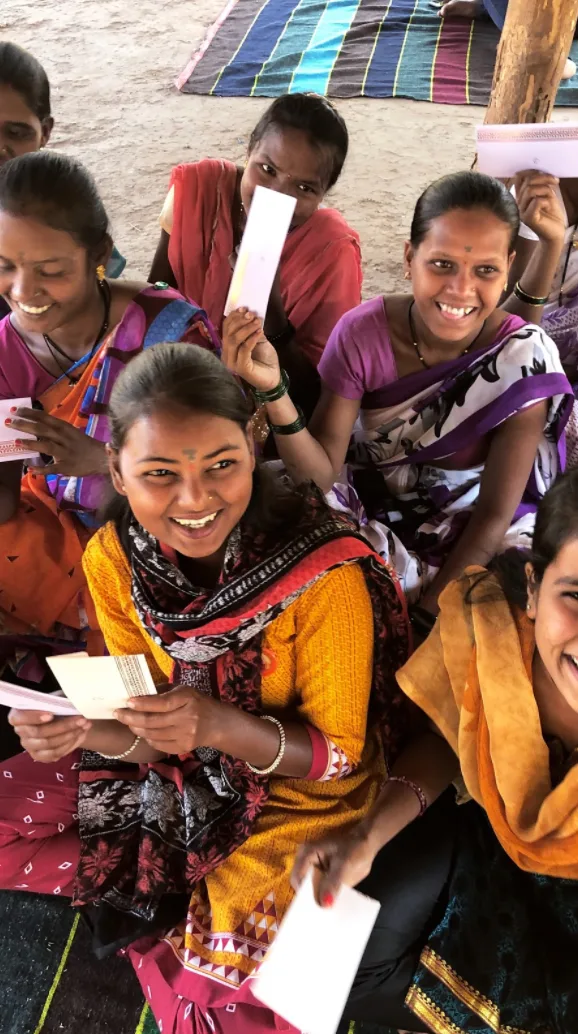
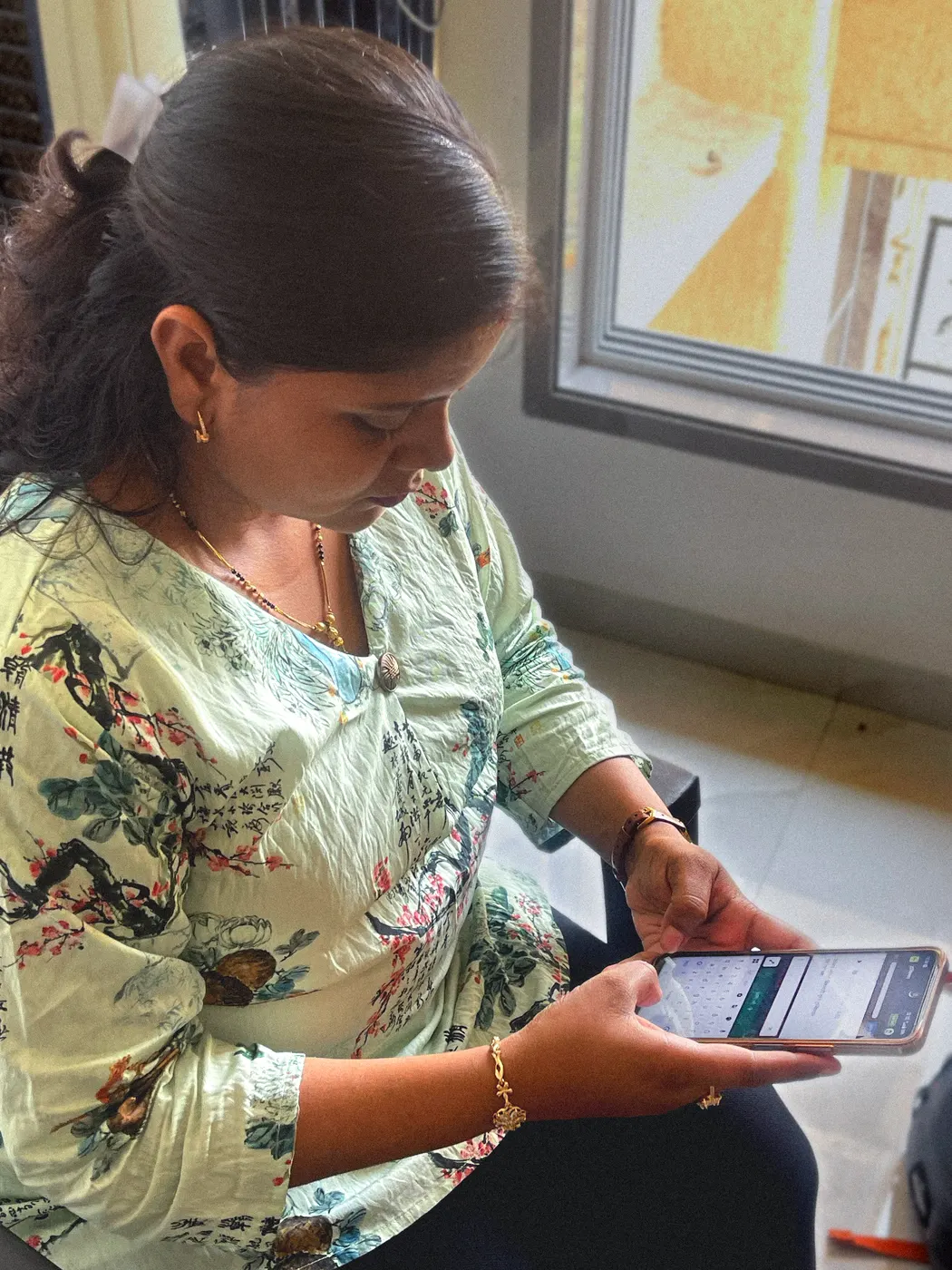
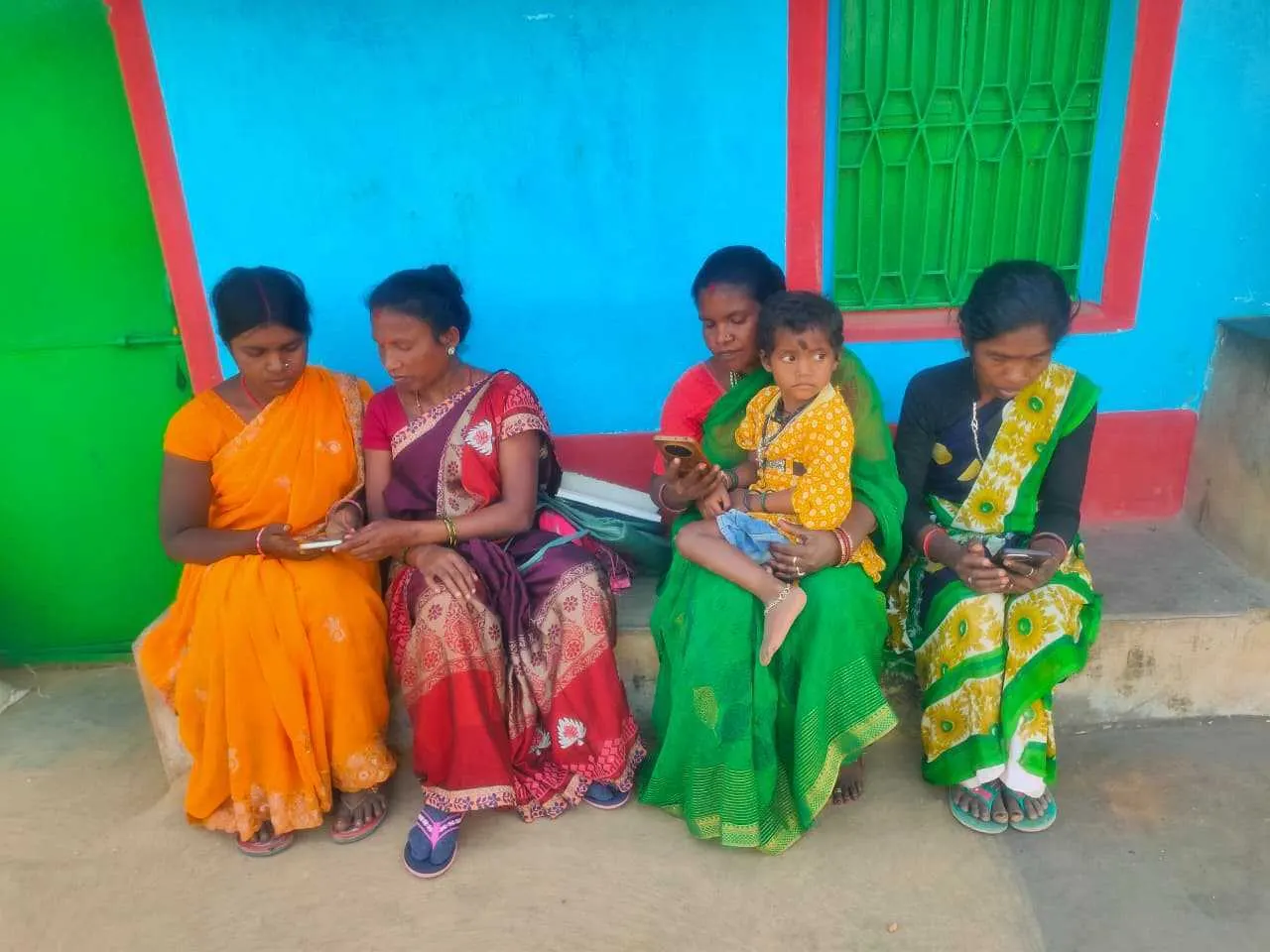
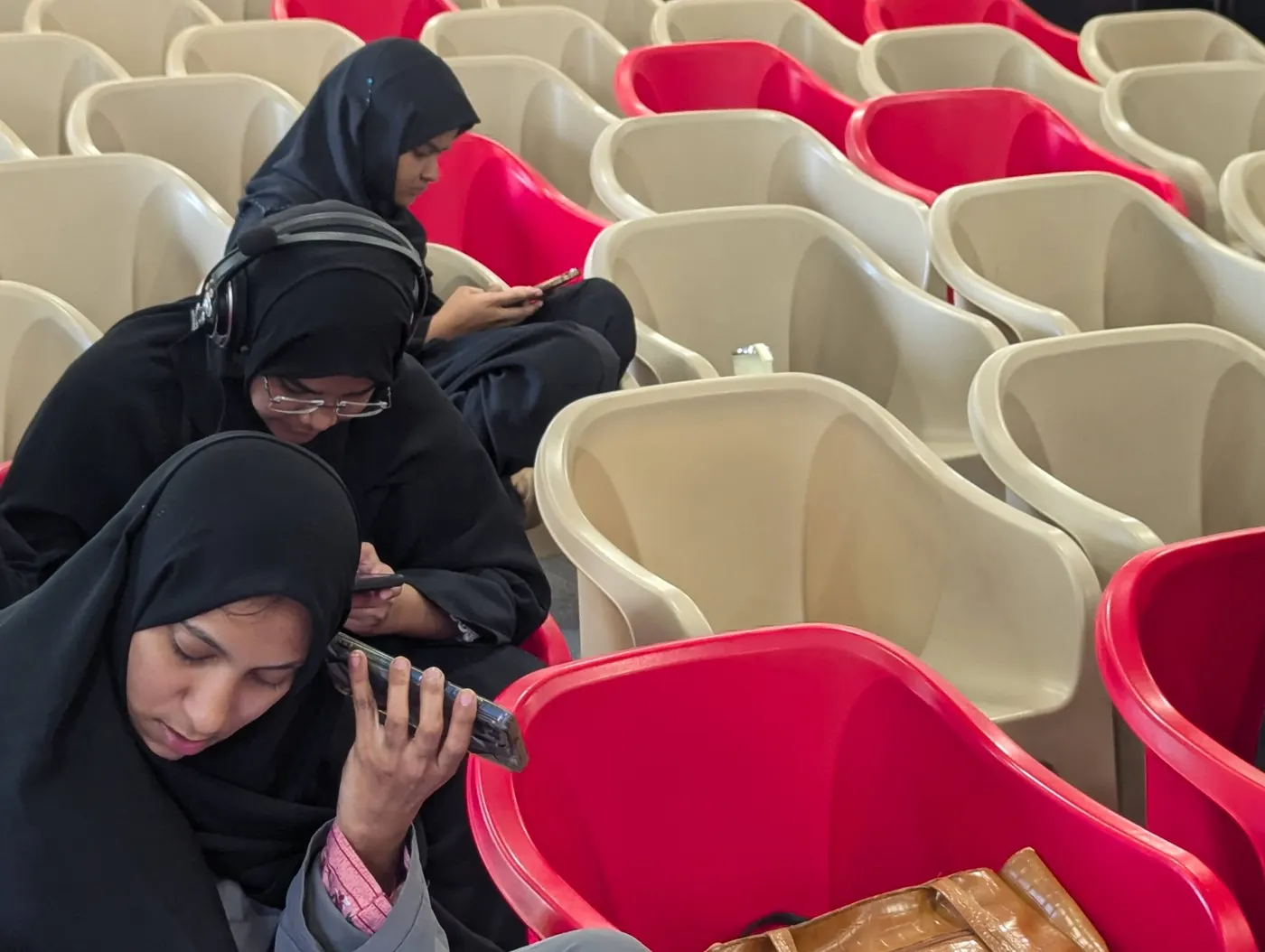
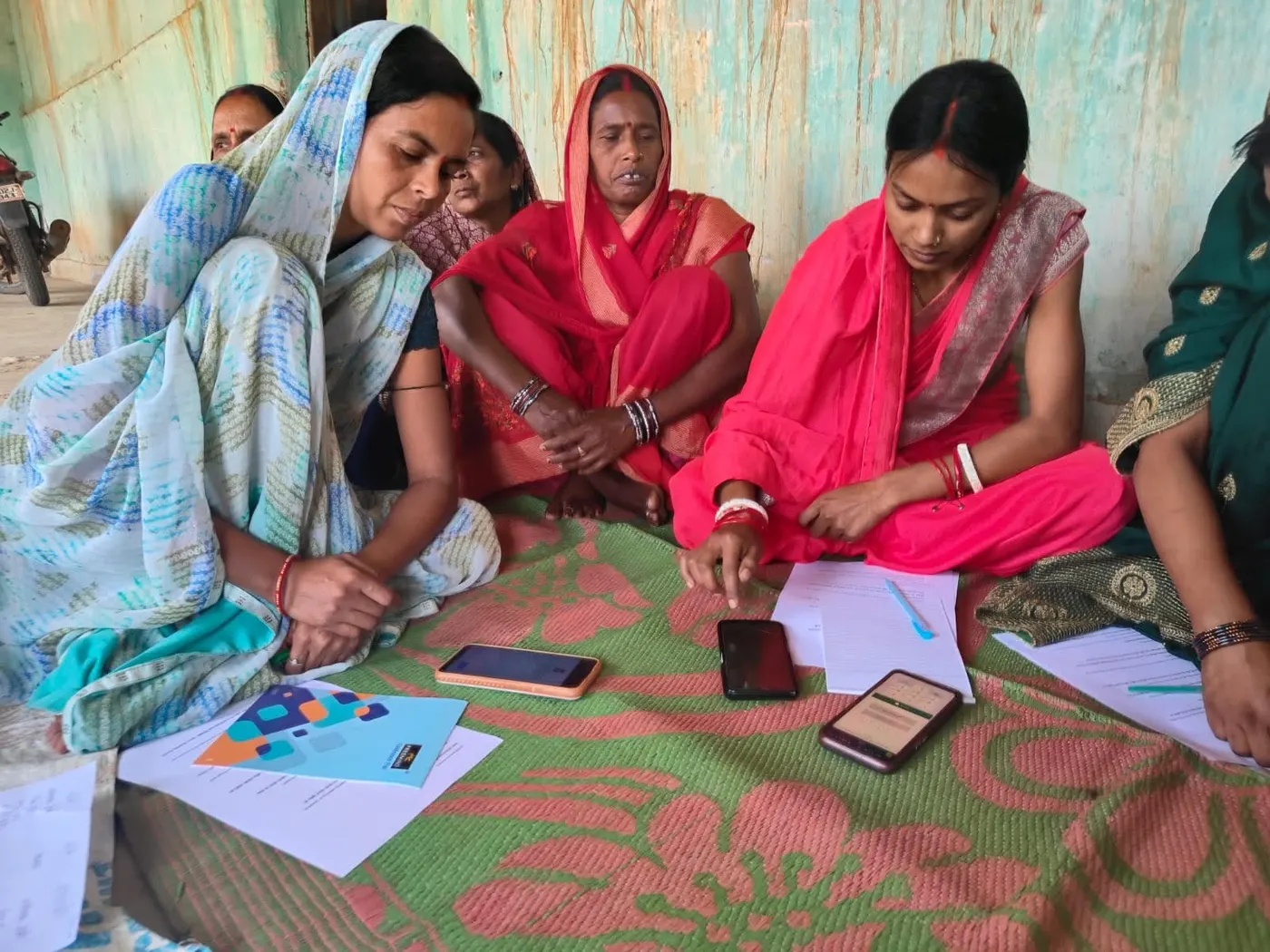
The average Karya worker is a woman in her early twenties, educated through Class 11–12. She typically has no formal employment. Nearly a third of workers are enrolled in at least one government welfare scheme, most commonly a BPL card, Ayushman Bharat, or MGNREGA.
What sustained access makes possible?
The difference between our top 1% earners and the rest of Karya workers is not education but continuous access to work and progression into higher-value tasks.
72%
workers had no individual income of their own prior to Karya.
2x
higher median payouts to women than to men.
3.6x
average annual income gain for the top percentile of workers in FY2025–26.
Note: Calculation for the top 1% is based on data from Karya's workers who earned in FY2025–26
57%
of top earners are women.
“The best part was buying a new phone with my own earnings. It helped me work better on Karya and made studying easier too.”
Darshan Sachin Tambat from Sangli, Maharashtra,$535 earned so far
As a college student pursuing a B.Sc. in Chemistry, Darshan Sachin Tambat was looking for a way to earn without compromising his studies. He decided to give Karya a try. Two years later, it remains an important source of financial independence during his studies.
Through AI evaluation projects, he learned to research unfamiliar topics, compare information from multiple sources, and make evidence-based decisions. He particularly enjoyed evaluating chatbot responses, describing the work as an opportunity to learn while he earned.
The income made a practical difference in his day-to-day life. Rather than relying on his parents, he used his earnings to pay his semester fees, cover travel and college expenses, and buy a new phone with his own savings. Upgrading from a 2 GB to an 8 GB device not only made Karya tasks smoother, but also allowed him to download study materials and prepare more effectively for his exams.
“Now I don't have to ask for money. If I decide to do something for my daughter or my family, I simply say, I'm doing this.”
An interview with Pooja Rajat Vanjire from Kolhapur, Maharashtra,$722 earned so far
A pharmacist from Kolhapur raising a young daughter, Pooja Rajat Vanjire was looking for flexible work that could fit around family life.
What began as a single project soon became something much bigger for both her and her family. Today, Pooja and her husband often spend their evenings working on Karya projects after putting their daughter to bed, encouraging each other to meet project targets.
Karya became especially meaningful during a difficult period when her husband lost his job.
The income she earned helped support the family until he found work again. But for Pooja, the greatest change has been the confidence that came with earning an income of her own.
Today, she contributes to family decisions with greater confidence, supports her daughter's needs without hesitation, and no longer has to rely on others for everyday expenses.
“Karya gave me the opportunity to do meaningful work while staying connected to the world beyond my home.”
Chaula Solanki from Mumbai, Maharashtra,$602 earned so far
When Chaula Solanki moved from Gujarat to Mumbai after marriage, life gradually became centred around raising a family. An electrical engineer with a postgraduate diploma in business management, she stepped away from her professional career to care for her children.
She remained active through volunteer work, but she found herself missing both the intellectual challenge of work and the opportunity to stay connected with the world beyond her home. Living in Mumbai also meant that Gujarati, the language she had grown up loving, became something she spoke mostly within her family.
When she began working on image annotation, transcription, and language projects at Karya, every task became an opportunity to learn something new. More unexpectedly, the work rekindled her relationship with Gujarati. Through reading, listening, speaking, and reviewing the language every day, she rediscovered something she had not realised she had missed.
Today, Chaula hopes to continue contributing as a worker and eventually help design projects that make digital work even more meaningful for others.
“Before joining Karya, I believed my lack of English language skills would limit me. But discovering that I could contribute in Telugu opened a new world for me. I became part of the Vaani project, earning while caring for my baby and inspiring my family and neighbours. I'm proud to have worked for years in my own language. I only hope more opportunities come so that others like me can thrive.”
Vamsi Priya from Andhra Pradesh$2,762 earned so far
Note: Project Vaani engaged 48,000 workers to create one of the largest datasets of Indian dialects, which has been open-sourced to support the development of more inclusive and representative language technologies.
For the first time, ten million Bhili speakers can get agricultural advice in a language AI never spoke before. Kokborok, absent from digital tools until recently, is now searchable on Google Translate. A benchmark we built with 20,000 women catches gender bias before it reaches Indian-language AI. And leading AI models are now being put to the test in critical domains like agriculture and law—by the very people who know these systems best.
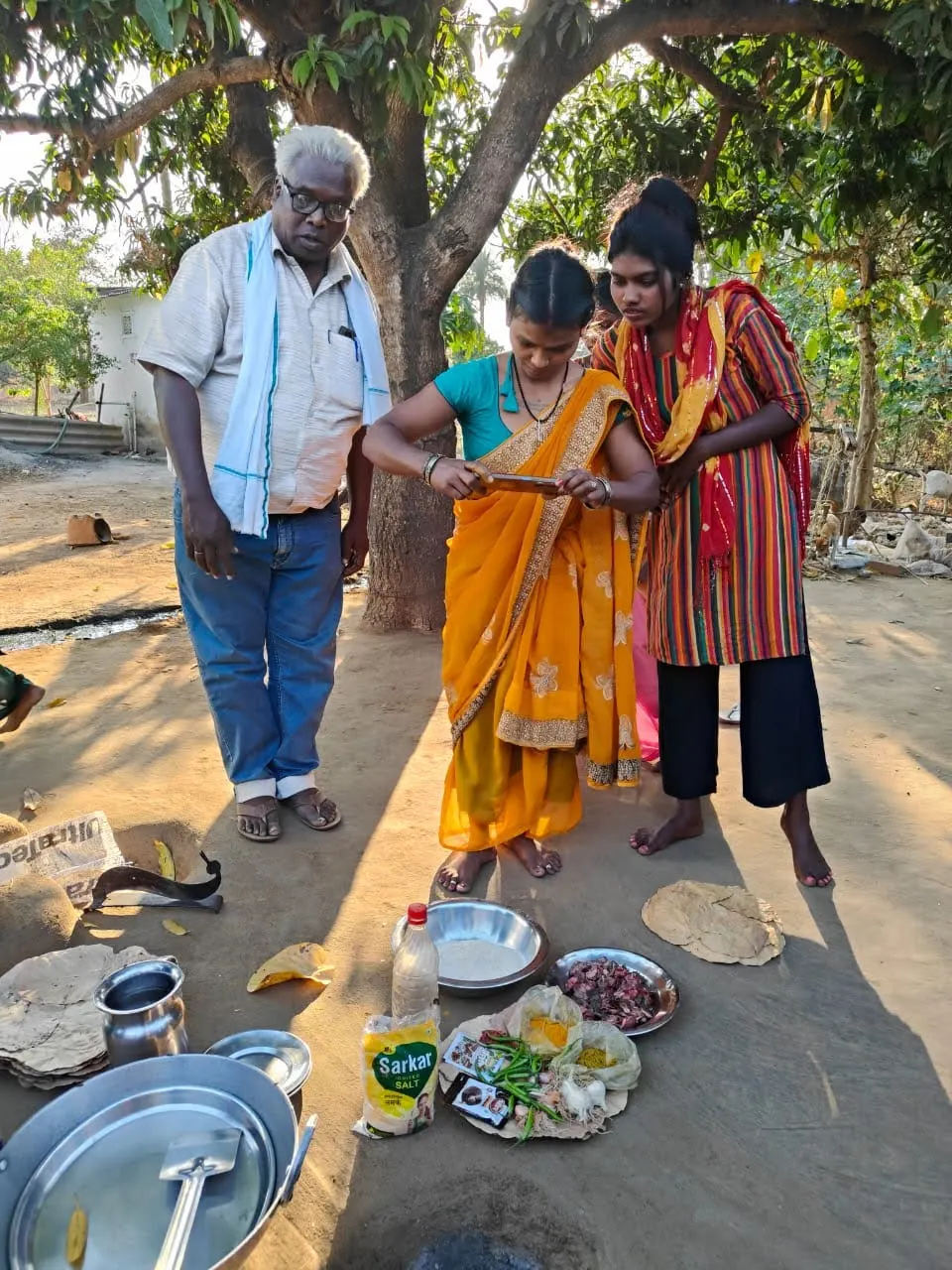
Our communities built all of this. In Nandurbar, our work with the district administration and 400+ native speakers produced the first complete language systems in Bhili, later used by the Honorable Prime Minister to address the country directly. With Google, we digitised 16 long-tail languages, bringing them into mainstream translation tools.
With the Gates Foundation, we built ALIGN, a gender-bias benchmark across six Indian languages. And with Anthropic, our communities and domain experts judge whether Claude's answers actually hold up, across seven Indian languages.
Backed by research
Karya's impact on building better AI and better livelihoods is measured by independent researchers, not just by us.
RCT-JPAL
3x increase in take-up of formal jobs by women, when work is flexible and home-based.
1670
households in West Bengal
3x
increase in job take-up with flexible work
Akal Badi Ya Bias
The first comprehensive study of gender bias in Hindi, grounded in field studies with rural and low-income community women.
Samiksha
A multilingual evaluation pipeline that tests large language models against real, everyday Indian contexts, grounded in eleven Indian languages and four high-impact domains.
Case study by berkeley haas
Now taught at Berkeley and Stanford as part of the case curriculum on social impact, Karya is featured in the Berkeley Haas Case Series, authored by Professor Gloria Lee and Jayson Wang.
Health - Pariksha
A Real-World Evaluation of 24 LLMs Across Five Indian Languages.
24
LLMs evaluated
4
Indic languages
RCT with harvard kennedy school
Embedding Gender Equality Messages in Everyday Digital Work: A Field Experiment with Karya
Coming soon
Karya Institute
Realising the potential of digital work
Launched in January 2025, the Karya Institute serves as our internal think tank, building an open, replicable blueprint for ethical digital work through open research, benchmarks, playbooks, and policy tools, and sharing these resources as Digital Public Goods. The blueprint starts from the realities that keep people out of conventional work. India's Time Use Survey finds over 204 million women who don't leave home on a given day, held there by three overlapping constraints:
Time poverty
Indian women spend 9.8x more time on unpaid domestic and care work than men (NITI Aayog), leaving little room for paid work.
Limited mobility
In rural areas, over half of women in non-farm work never travel outside the home; another 18% stay within 1.5 km of it.
Social restrictions
Beyond weak transport links, norms set by husbands and in-laws often decide whether a woman can work at all.
Digital work fits around these constraints instead of fighting them.
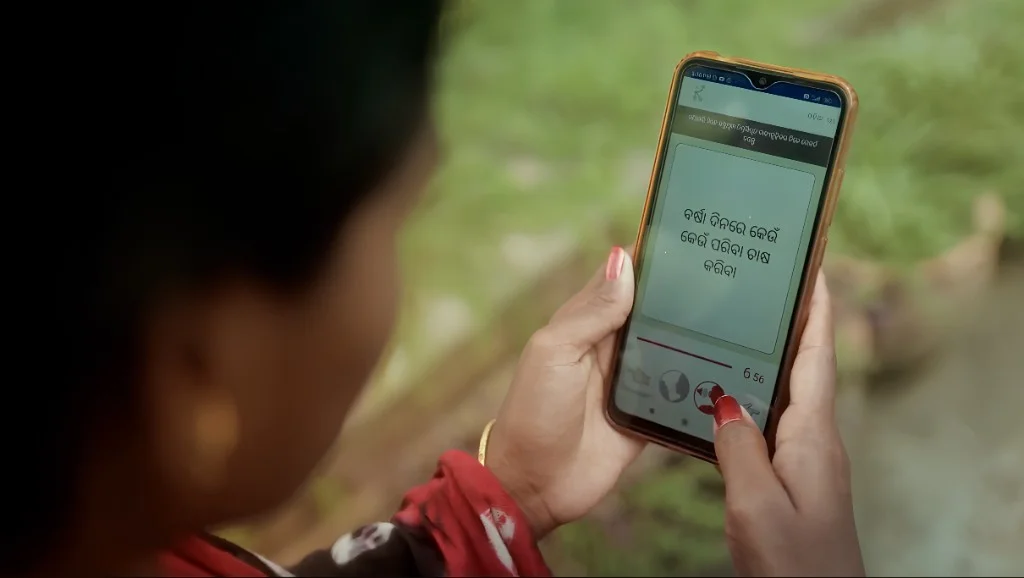
Karya Learn
Karya's in-house Learning Hub creates pathways from entry-level data work to higher-value AI work. Through mobile-first training, workers build digital skills and life skills such as confidence, communication, financial awareness, workplace readiness, and problem-solving. These skills help workers overcome digital literacy barriers and progress into more complex, better-paying opportunities.
Partner with us
The future of AI is being built now — while the systems, standards, and incentives of the AI economy are still being formed.
We're inviting funders to help build it with us.